Styling Your Space with a Decorative Green Home Garden Shelf
There is a specific kind of magic that happens when you bring the outdoors inside. It isn't just about air quality or filling empty corners; it is about creating a visual language that speaks of life, growth, and tranquility. For designers, content creators, and small business owners, the image of a Home Garden Shelf with Decorative Green plants is more than just a pretty picture. It is a versatile visual asset that can transform a brand’s identity from cold and corporate to warm and inviting. When you isolate this aesthetic on a clean white background, stripping away the noise of a busy room, you get a powerful design element that resonates with modern audiences seeking calm in their digital and physical spaces.
The Visual Anatomy of the Decorative Green Shelf
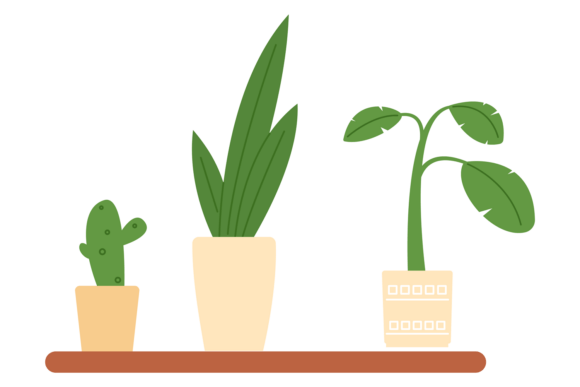
At its core, this design concept relies on the interplay between structure and organic chaos. A shelf represents order—it is a rigid, architectural line that anchors the composition. The green plants, particularly when rendered in high-quality vectors like EPS or SVG formats, represent nature's unpredictability. When you look at a standard composition of this type, you will often see a variety of pot sizes and plant textures. You might have the broad, flat leaves of a Monstera sitting next to the spiky, vertical lines of a Snake Plant, or the cascading tendrils of a Pothos hanging over the edge of the shelf.
The "isolated on white background" aspect is crucial for anyone working in publishing or web design. This creates negative space, giving the eye a place to rest and making the subject matter pop. It allows the image to function as a standalone hero image or a seamlessly integrated element within a larger layout. The personality of this visual is inherently minimalist yet vibrant. It doesn't scream for attention with neon colors; instead, it commands presence through texture and the psychological comfort of the color green.
Practical Applications for Modern Creators
If you are building a brand identity or curating a feed, the versatility of the decorative green shelf cannot be overstated. For interior designers and home décor bloggers, this imagery is the bread and butter of content marketing. It serves as a perfect header image for articles about "How to Style Small Spaces" or "The Benefits of Biophilic Design." Because the image is clean and isolated, it pairs beautifully with typography. Imagine overlaying a bold, sans-serif headline in charcoal grey over the image; the contrast is sharp, professional, and highly readable.
For entrepreneurs in the wellness, skincare, or sustainable goods sectors, this visual asset is a goldmine. It immediately signals "natural," "organic," and "care" without needing a single word of copy. You can use these assets for packaging design, creating a pattern of scattered leaves for a tissue box or using the shelf motif as a divider on a product label. In the realm of social media graphics, these elements are perfect for creating carousels or story backgrounds. The transparent PNG versions allow you to layer the plants over photos of your products, creating a cohesive, garden-inspired aesthetic that builds brand recognition.
Strategic Implementation and Design Pairings
Using a Home Garden Shelf with Decorative Green effectively requires a bit of strategic thinking regarding font pairing and color theory. While the image is green, the pots and the shelf itself offer opportunities for accent colors. If the pots are terracotta, you might pair the imagery with earthy tones and a rustic, serif font to evoke a farmhouse feel. If the pots are sleek white ceramic, you should lean towards a modern typography style—perhaps a geometric sans-serif—to maintain a contemporary, urban jungle vibe.
When it comes to editorial design, such as magazine layouts or e-book covers, consider the scale. A large, close-up crop of a single leaf can serve as a textured background, while a wide shot of the full shelf works better for a table of contents or a chapter header. The key to visual hierarchy is ensuring that the greenery supports your text, not competes with it. If you are using a script font or handwritten font for a quote, place it against the white space of the isolated background rather than directly on top of the densest foliage to ensure legibility.
Leveraging File Formats for Maximum Flexibility
The value of these design assets lies heavily in the file formats provided: EPS, JPG, SVG, and transparent PNG. For the uninitiated, this variety is what separates amateur projects from professional ones.
- SVG and EPS: These are vector formats. This means you can scale the image of the shelf to the size of a billboard or shrink it down to a business card without losing a single pixel of quality. This is essential for logo design elements or large-format printing.
- Transparent PNG: This is the workhorse for digital marketers. It allows you to place the shelf anywhere on a website or design layout without the awkward white box around it. It integrates seamlessly into complex compositions.
- JPG: Best for quick social media posts or website headers where file size is a concern and the background is intentionally white.
Building Trust Through Visual Consistency
There is a psychological component to using nature-based imagery in your brand identity. Plants are universally associated with care, patience, and sustainability. By consistently using a Home Garden Shelf with Decorative Green motif across your marketing materials—from your website footer to your email newsletters—you are subconsciously telling your audience that your brand is grounded and trustworthy.
For crafters and hobbyists, this imagery can be used to create physical products like wall art, greeting cards, or planners. The "isolated on white" style makes it perfect for die-cutting machines. You can print the image, cut out the plants, and use them as 3D embellishments on scrapbooks or shadow boxes. It is a creative font of inspiration that allows for endless manipulation.
Final Thoughts on Quality and Usage
When sourcing or utilizing these images, always pay attention to the details. Look for high-resolution files where the texture of the leaves is visible. A blurry or pixelated plant can ruin an otherwise professional design. Whether you are a publisher laying out a book on urban gardening or a small business owner designing a flyer for a local nursery, the goal is to create a connection. The Home Garden Shelf with Decorative Green is a timeless visual that bridges the gap between the built environment and the natural world, offering a breath of fresh air in any project.